
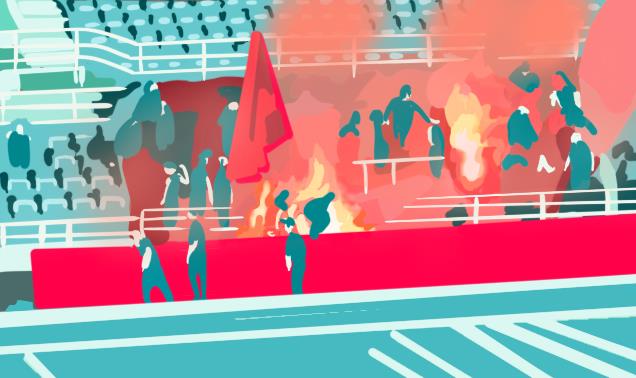

This research studies how human behaviour effects our built environment. Basically how in emergencies we need to plan for real behaviour of people and plan the buildings design appropriately to ensure everyone can escape or leave before untenable situations arise. Subsequently we study real behaviour and our team’s strength is the collection of real human behavioral data to inform Artificial Intelligence models in pedestrian modelling software.
Our current focus is in multiple areas related to human behaviour in emergencies:
- Cultural centers (museums)
Exit use in evacuation, movement speeds, cultural differences in evacuation, effect of language in exit, modelling evacuation - Transportation terminals (airports, rail stations)
Elevator use, walkway behaviour, luggage behaviour, cell phone behaviour - Stadia (baseball, football, soccer, tennis)
Security gate data, crowd behaviour, alcohol influences on movement, modelling evacuation - Long term care and retirement homes.
Effect of age and pre-existing conditions on movement speeds level and stairs, modelling evacuation
Each summer, our research team offers an annual international graduate course to help professionals and students learn human behaviour in emergency conditions.
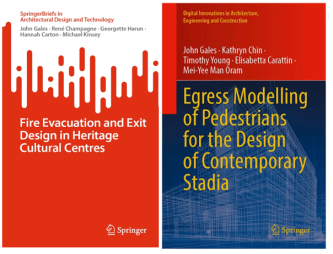 Our group currently has two published books by Springer-Nature detailing two large scale studies on egress of stadiums and cultural centers respectively. Both studies include validation and verification of modelling exercises with detailed discussions on crowd flow and accessibility factors.
 YorkU Fire Research Team